

Cellulose Diacetate Tow
Cigarette-grade cellulose diacetate tow (acetate tow) is made from natural wood pulp and is a core functional material of filter rods. We supply the full range from 1.9D to 12.0D filament denier and 15000D to 72000D total denier, with more than 50 specifications shipped in volume to customers worldwide.
- 1.9D–12.0DFilament denier
- 15000D–72000DTotal crimped denier
- 50+specifications supplied in volume
- ≈7%higher rod yield, up to
Product Description
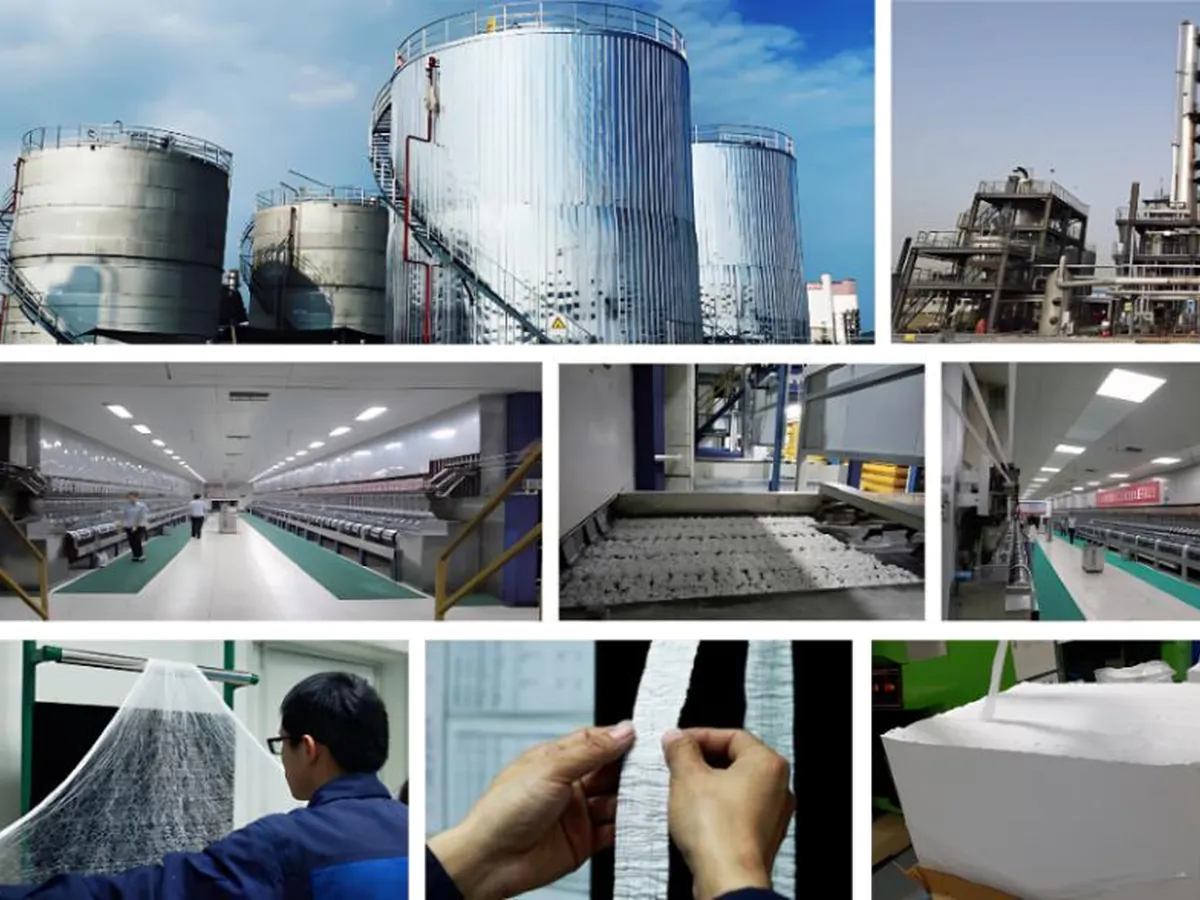
Acetate tow starts from natural wood pulp, which is acetylated into cellulose diacetate flake and then processed continuously through dissolving, fine filtration, spinning, crimping and drying. It is a regenerated cellulose fiber with good moisture absorption and adsorption, and one of the core functional materials of filter rods. Chemical formula: C₆H₇O₂(OOCCH₃)₃ (theoretical structure).
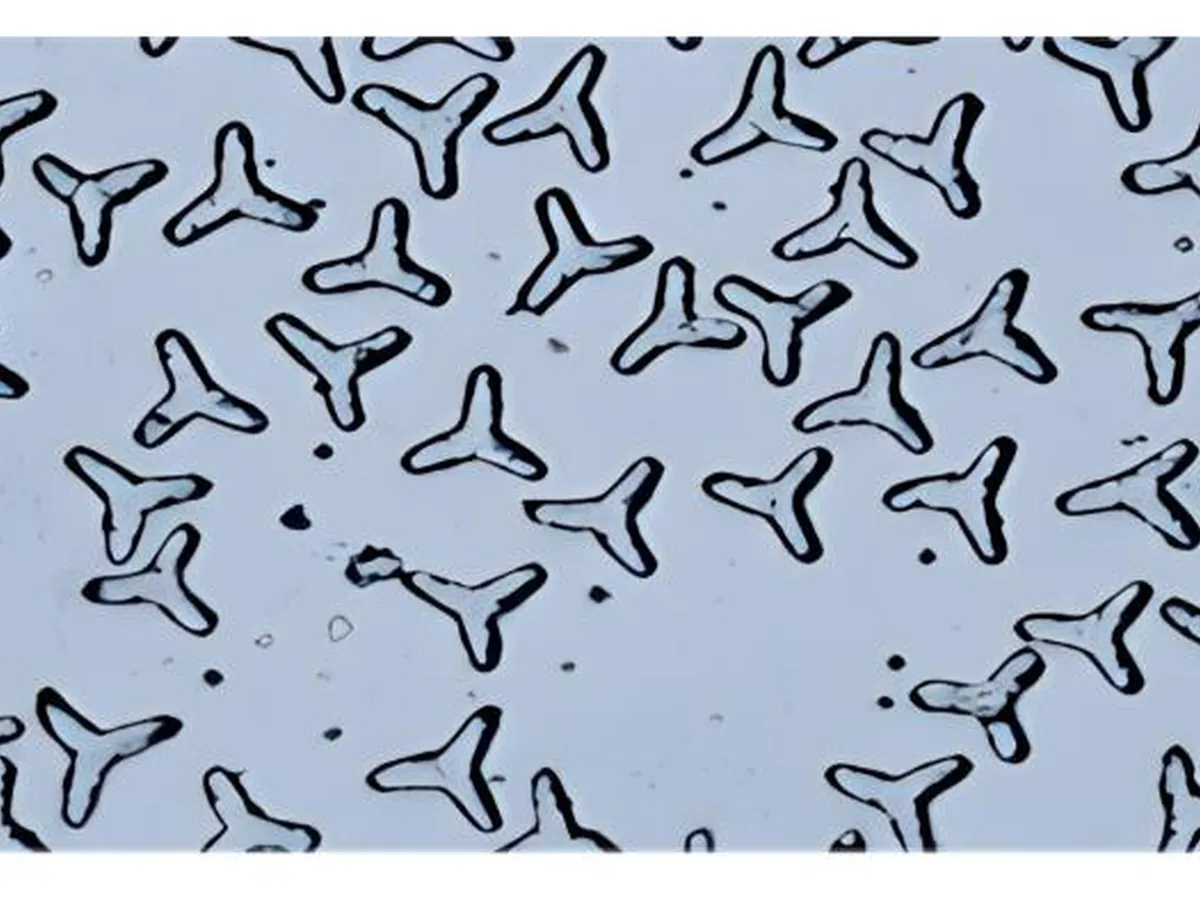
Filaments typically have a Y-shaped cross-section, which greatly increases specific surface area and strengthens adsorption and retention of tar and other aerosol particles in smoke, improving both filtration and sensory performance.
Specification Notation and Units
- Notation
- Filament linear density Y tow linear density (filament denier Y total crimped denier), e.g. 3.33Y3.56 (3.0Y32000)
- Filament linear density
- Unit: dtex (decitex), metric
- Tow linear density
- Unit: ktex (kilotex), metric
- Filament denier / total crimped denier
- Unit: denier (D), imperial
- Y
- Y-shaped filament cross-section
- Conversions
- tex: mass in grams of 1 000 m of fiber; denier: mass in grams of 9 000 m; 1 tex = 10 dtex; 1 ktex = 1 000 tex; 1 tex = 9 denier
Available Specifications and Customization
We reliably supply the full range of acetate tow from 1.9D to 12.0D filament denier and 15000D to 72000D total denier, for conventional and special-structure filters, with more than 50 specifications shipped in volume worldwide. With a complete supply chain and specification database, we develop and match custom specifications to your rod design, pressure-drop targets and forming parameters, ensuring material–process compatibility and stability.
Acetate Tow and Corresponding Filter Rods (Examples)
| Tow specification | Rod size (length × circ., mm) | Pressure drop (mmWG) |
|---|---|---|
| 2.5Y32000 | 120×23.9 | 380±20 |
| 3.6Y35000 | 120×24.2 | 380±20 |
| 4.1Y35000 | 120×24.2 | 350±20 |
| 4.5Y25000 | 108×20.7 | 400±20 |
| 4.9Y27000 | 108×21.8 | 340±20 |
| 5.8Y32000 | 120×24.5 | 260±15 |
| 6.0Y36000 | 120×24.2 | 280±15 |
Tow for Grooved and Hollow Filters (Examples)
| Type | Tow specification |
|---|---|
| For grooved filters | 2.56Y2.44 (2.3Y22000) · 3.33Y3.11 (3.0Y28000) · 3.33Y3.56 (3.0Y32000) · 3.33Y3.89 (3.0Y35000) · 4.22Y3.78 (3.8Y34000) |
| For hollow filters | 5.33Y2.44 (4.8Y22000) · 5.56Y3.89 (5.0Y35000) · 6.44Y2.89 (5.8Y26000) · 6.67Y3.89 (6.0Y35000) · 6.67Y6.00 (6.0Y54000) |
Applications
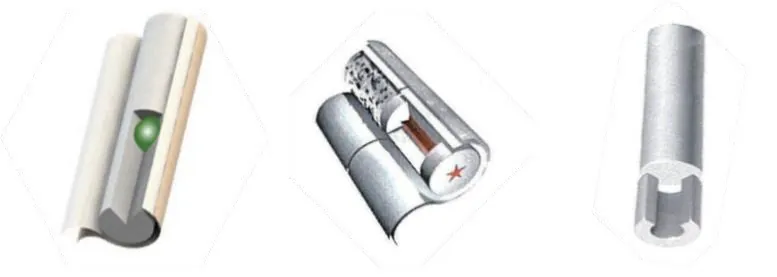
Acetate tow is versatile and adapts to many structures: plain acetate rods, menthol acetate rods and capsule acetate rods, or combined with granule and hollow-tube segments into multi-segment, multi-cavity or multifunctional composite filters for flavoring, tar reduction, draw control and a better smoking experience. By matching filament and total denier, crimp and forming parameters, pressure drop, filtration efficiency and sensory performance can be tuned for each filter structure.
Finished Acetate Filter Rod Parameters (Example)
| Filter rod length | 120±0.5 mm |
|---|---|
| Tow specification | 2.5Y/32000 |
| Filter rod circumference | 23.9±0.15 mm |
| Filter pressure drop | 380±20 mmWG |
| Filter rod weight | 65±2.5 g/100 rods |
| Plug wrap permeability | 0 CU |
| Hardness | 88±2.5% |
| Inner seam adhesive | 1 line (PVA) |
| Rods per tray | 4 730 |
| Quantity per carton (×10 000 rods) | 0.473 × 5 = 2.365 |
| Quantity per container (×10 000 rods) | 2.365 × 391 = 924.715 |
Production Process
- 01
Flake production
Wood pulp shredding → acetylation → hydrolysis → dope storage → precipitation → washing → drying → flake silo
- 02
Spinning
Flake dissolving → dope filtration → spinning → crimping → drying
- 03
Packing and dispatch
Laying → baling → warehousing and dispatch
Quality and Consistency
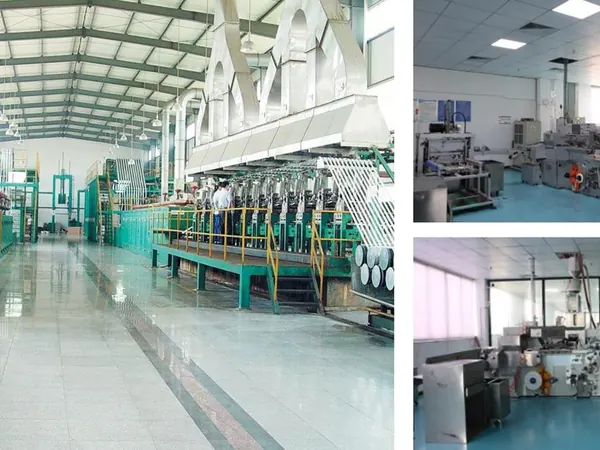
The acetate tow we supply is made with advanced process technology and highly automated production, with tight control from cellulose raw material to finished goods. Proven esterification and hydrolysis produce high-purity cellulose acetate solution, while efficient precipitation, washing and precision filtration keep the solution clean, viscosity stable and batches consistent. Precision metering and stable spinning equipment, with intelligent crimp control, give uniform filament cross-sections, stable strength and consistent crimp; strict drying, setting and standardized packing keep the tow stable in transport, storage and processing.
According to customers' production tests, at the same specification and input weight, our tow yields up to about 7% more filter rods than most comparable suppliers' products, improving material utilization and overall cost.
Plant, Storage and Shipping
Related Products
Send an Inquiry
Tell us the products, specifications and quantities you need, and we will reply promptly.